
GameStop just called the Wii U, PS3 and Xbox 360 “retro” — and that is less a joke than a monetization strategy
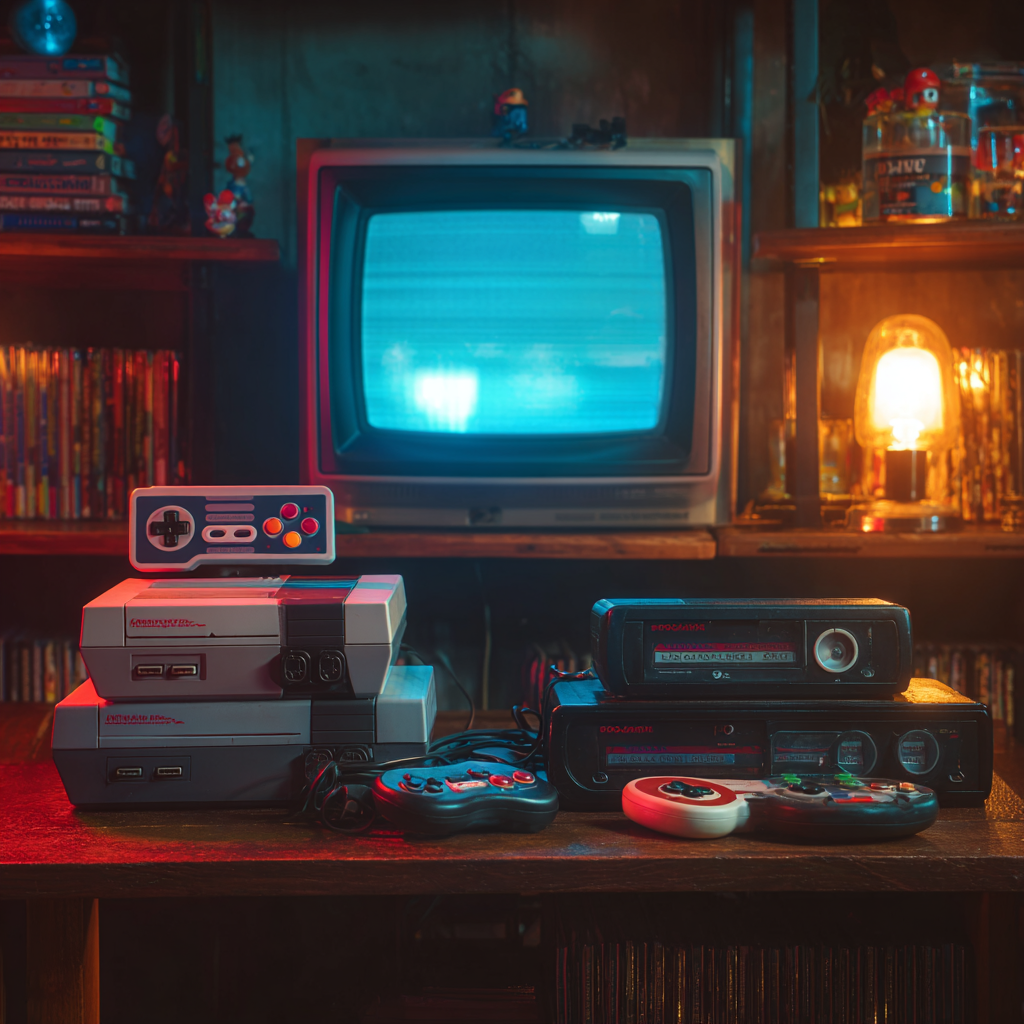
GameStop has officially declared the Nintendo Wii U, Sony PlayStation 3 and Xbox 360 to be retro consoles, wrapping the move in humor but backing it with a real trade-in program and a very clear retail message: old hardware is no longer clutter, it is inventory. According to Nintendo Everything, GameStop said the systems are now “officially retro consoles” and launched a 10% bonus trade-in credit offer for those machines, older consoles, games and accessories.
That is the hook. Nostalgia sells. But GameStop is not running a museum. It is building margin out of aging plastic.
The “historic artifacts” joke hides a serious resale play
Retro is now a category — and categories create cash flow
GameStop’s statement, cited by Nintendo Everything, says the retro ruling was based on signs like component cables, the lack of Fortnite, and the fact the consoles launched when George W. Bush was still president. Funny line. Sharp strategy. Once these machines move into a formal retro bucket, they stop being dead-end legacy stock and start becoming a structured resale business with cleaner pricing logic.
The retailer also said customers can now trade in these retro consoles even if they are defective, as long as they power on, according to Nintendo Everything. That is not sentimentality. That is supply capture. GameStop is widening the funnel, pulling in hardware that might otherwise sit in basements, closets and garage bins.
Why this matters for gamers — and for GameStop
The company is monetizing aging hardware before the market gets crowded
The trade-in bonus runs through March 21, according to Nintendo Everything, and the wider public reaction appears to be a mix of amusement and existential damage. Men’s Journal framed it as a “warning” to owners of the Wii U, PS3 and Xbox 360, highlighting how quickly the designation made players feel old. That emotional reaction is part of the commercial logic. A retailer does not need everyone to agree with the label. It just needs enough people to act on it.
And act they might. Retro gaming has been drifting from hobby culture into a more structured secondary market for years. GameStop is simply making it official on its own terms. The company’s message — as quoted by Nintendo Everything — is that these systems now join legacy hardware such as the Sega Saturn and Nintendo DS in the retro category. Once that framing sticks, trade-ins look less like dumping junk and more like participating in a collector economy.
So yes, the internet laughed. But the retail math is obvious. GameStop is turning nostalgia into trade-in credit, trade-in credit into store traffic, and store traffic into margin.
That is the real game.